
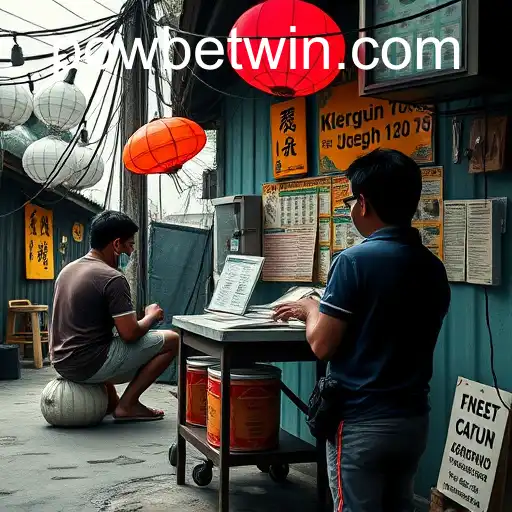
powbet | Exploring the Depths of Jueteng and the Role of the Powbet
powbet’s An in-depth examination of the underground betting phenomenon of jueteng in the Philippines, highlighting the pivotal role of the powbet.
The Intricacies of Jueteng: An In-Depth Exploration into the Underground Lottery System
Jueteng, a popular yet illegal numbers game deeply rooted in Filipino culture, has continued to thrive despite numerous governmental efforts to eradicate it. Often operating in the shadows, this underground lottery system is not only a source of income for many but also a symbol of persistent socio-economic challenges within the Philippines. At the heart of discussions around jueteng is the term 'powbet,' a keyword that signifies a pivotal aspect of this complex gambling network.
Understanding Jueteng
Jueteng traces its origins to Spanish colonial times, drawing from the Chinese game of numbers. Over the years, it has evolved into a betting system where participants wager on a combination of two numbers ranging from one to thirty-seven. The winning numbers are drawn twice a day by 'kubradors' or bet collectors who roam throughout neighborhoods gathering bets and dispensing potential winnings.
The Mechanism of Powbet
Among the inner workings of jueteng exists the role of 'powbet.' This term refers to the betting handlers who act as intermediaries between the operators, also known as 'kubos,' and the everyday bettor. Powbets manage the logistics and financial aspects of the operation, often gaining the trust of the community and ensuring the smooth flow of the betting process. Their role is crucial in both maintaining and expanding the reach of jueteng.
Jueteng's Socio-Economic Impact
Jueteng is deeply embedded in the socio-economic fabric of many Filipino communities. For some, it is a quick opportunity to earn money beyond their regular income, despite its illegal status. It's particularly enticing due to its low entry cost and the allure of a significant win. However, the economic implications extend far beyond mere participation. For those unable to manage their gambling habits, debts and financial distress often follow.
On a larger scale, jueteng contributes to the underground economy, circumventing formal economic structures and tax systems. This fosters a cycle of dependency and corruption, often leading to collusion between law enforcement, local politicians, and gambling lords who oftentimes turn a blind eye in exchange for profit.
Corruption and Governance
One cannot discuss jueteng without addressing the corruption that often accompanies it. Political figures sometimes benefit from the proceeds of jueteng, using these funds for election campaigns or personal gain. This perpetuates a system where illegal activities are tolerated, if not encouraged, due to the mutual benefits shared by those in power and the operators of jueteng.
Efforts to Combat Jueteng
The Philippine government has implemented various measures to combat jueteng, ranging from law enforcement crackdowns to introducing legal gambling alternatives like the Philippine Charity Sweepstakes Office's (PCSO) Small-Town Lottery (STL). Despite these initiatives, jueteng persists, primarily due to societal acceptance and the inadequacy of formalized systems to meet the needs of the populace at large.
The Resilience of Jueteng
Jueteng has demonstrated a remarkable resilience, adapting to new challenges and continuing to operate under the radar. Efforts to legalize alternative gambling forms have only marginally reduced its prevalence. For many Filipinos, jueteng is more than just a game—it has become an integral part of community identity, woven into the social and cultural fabric of their lives.
The Path Forward
Addressing the issues surrounding jueteng requires the implementation of comprehensive strategies that tackle the root causes of gambling dependency and corruption. Social welfare programs, transparent governance, and accountability from public officials must be prioritized to bring about impactful change. While eradication may not be immediate, reducing reliance on jueteng by providing better economic opportunities remains a tangible goal.
As long as economic disparities and governance challenges persist, jueteng, along with the crucial role of the powbet, will likely remain a fixture within the Filipino gaming landscape. Understanding this reality can help guide future policy and community initiatives designed to create a more equitable society.
